Every climb we run, organised by the altitude you will reach. Start with the band that matches where you are as a climber — then open its collection for the full atlas, map, difficulty and history.
Pick the band that matches where you are as a climber — the eight-thousanders are the giants, the 7,000 m peaks the classic proving ground, and the 6,000 m and trekking peaks where most climbers start. Each tile opens a full collection: atlas, map, compare tool, difficulty, seasons and first-ascent history.
Almost no one starts on an eight-thousander. The climbers we take highest have usually moved up through the bands with us — a trekking peak to learn the systems, a 6,000 m peak for a first fixed camp, a 7,000 m peak to test altitude and commitment, then a Himalayan giant.
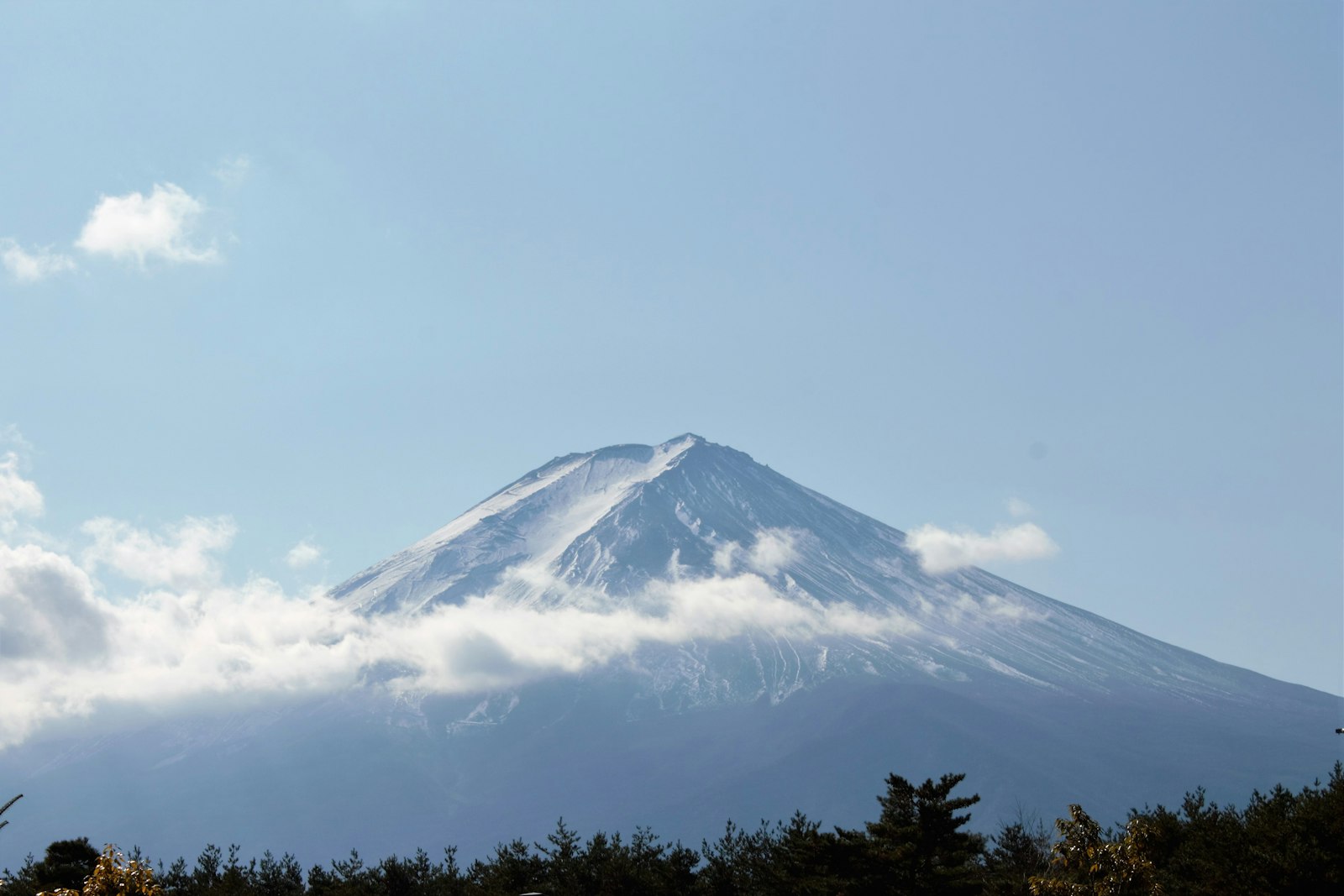
5,500–6,500 m. Rope work, crampons and glacier travel on a climb attached to a trek.
A first expedition with fixed camps, load carries and a summit day at real altitude.
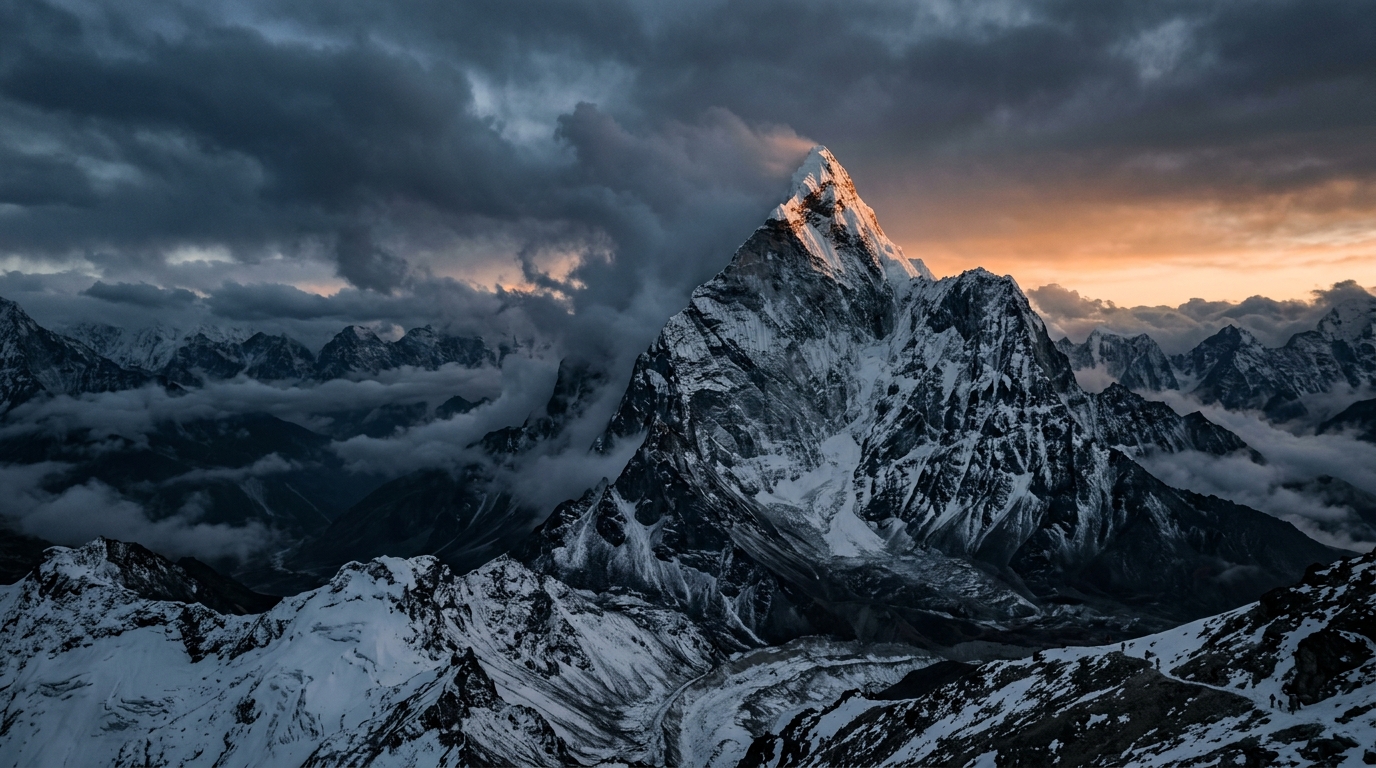
The proving ground — multi-week expeditions, serious weather, the altitude that decides readiness.
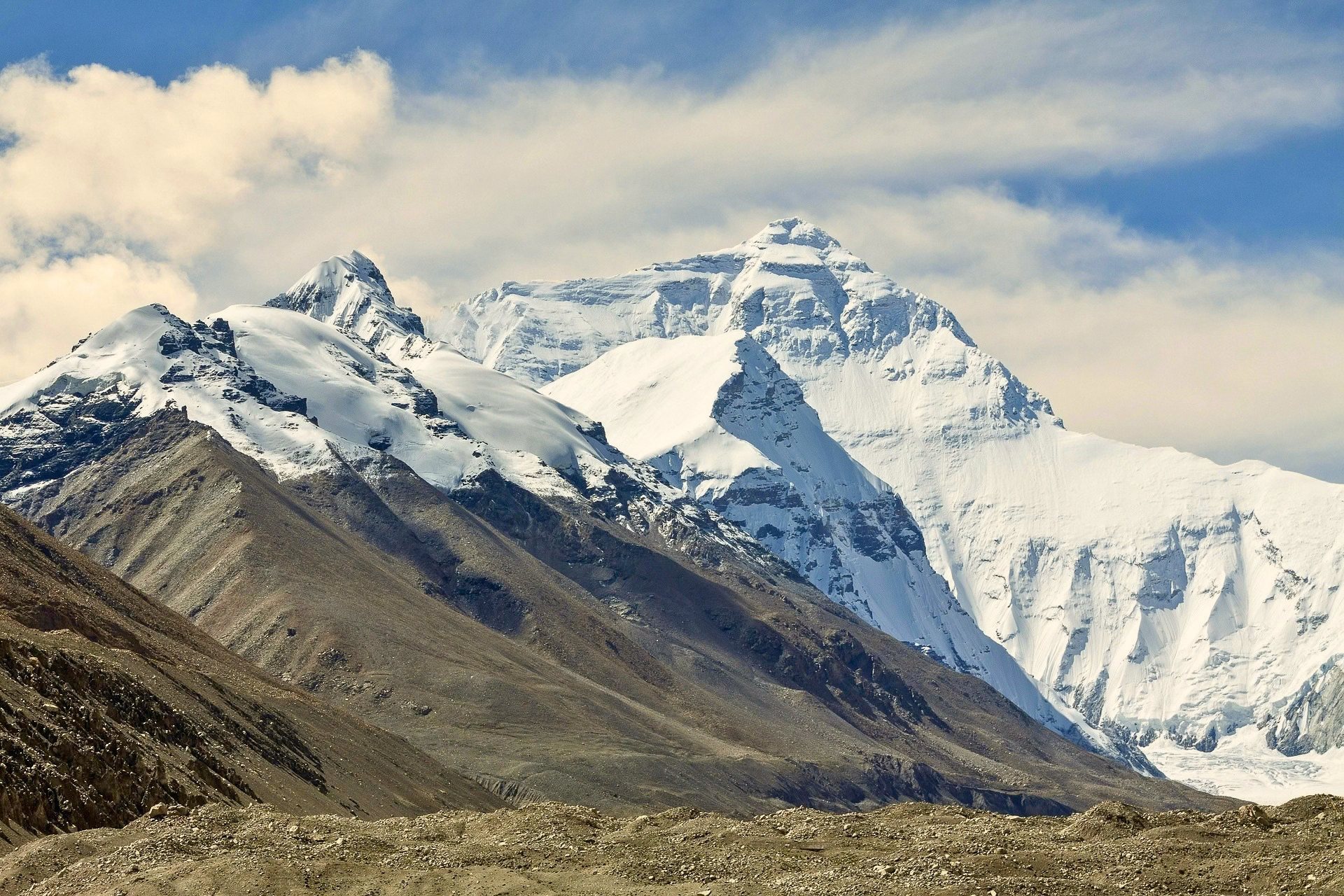
The giants. Supplementary oxygen, Sherpa climbing crew, and a summit in the death zone.
The expeditions we field the most teams on — a mix of the accessible eight-thousanders and the classic 7,000 m objectives.
Himlung Himal and Baruntse are the classic first big expeditions — real altitude, fixed camps, a forgiving normal route.
Manaslu and Cho Oyu are the eight-thousanders most teams choose first. Compare all fourteen in the atlas.
Everest, Manaslu, Kangchenjunga and Dhaulagiri all have trekking routes on their flanks — no climbing required.
Tell us where you are as a climber and what you want to attempt. We will build the expedition — permits, logistics, Sherpa crew and a schedule that gets you acclimatised and in position for the weather window.